On nature, Japan, and the ancient art of slowing down
I have just returned from two weeks in Japan.
I went partly as a researcher — spending time with my colleague Professor Yasuhiro Suzuki, with whom I collaborate on work in holistic therapy and wellbeing — and partly, I think, as someone who simply needed to be reminded of something. I am not entirely sure I could have told you what that something was before I left. I can tell you now.
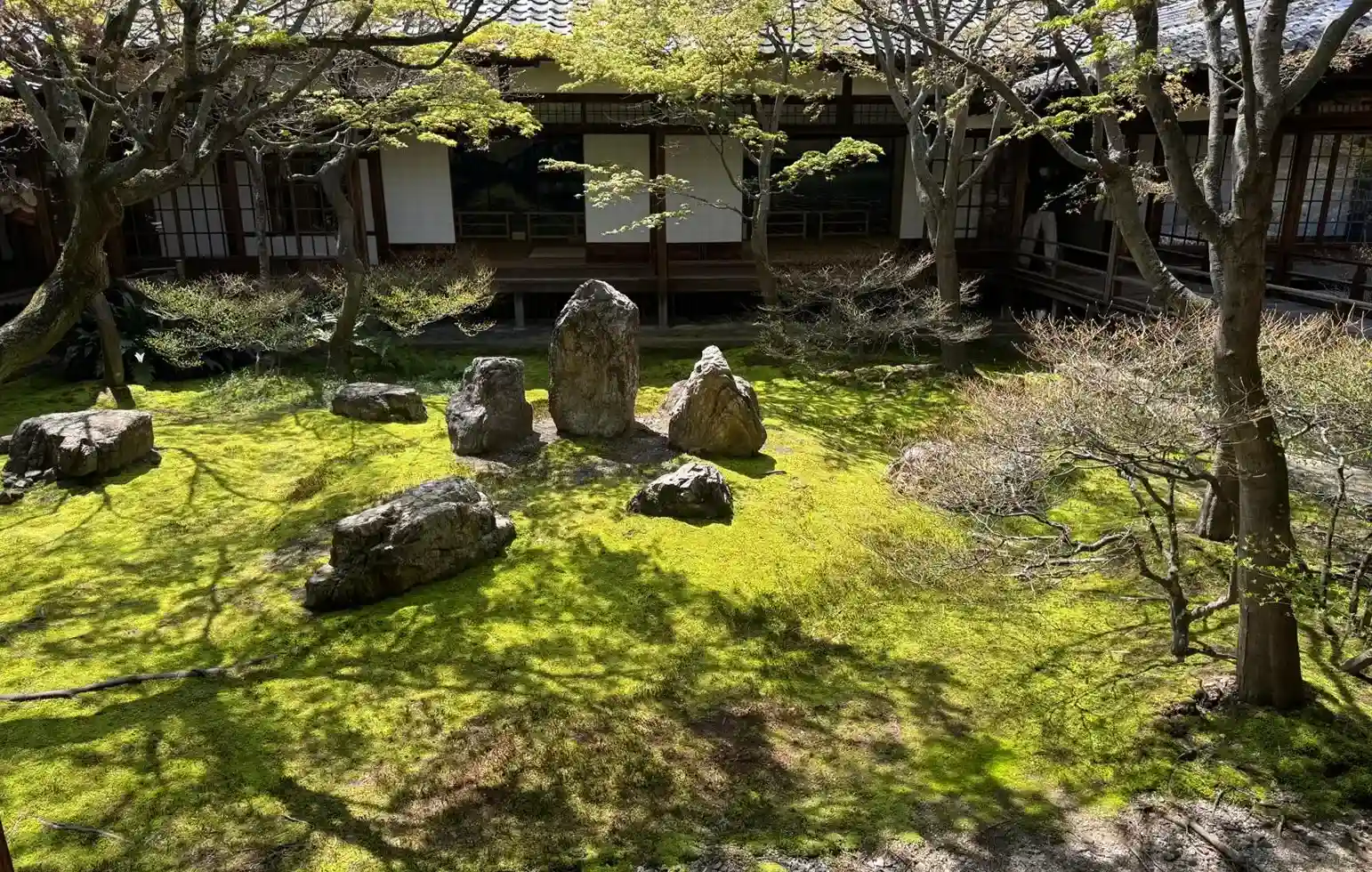
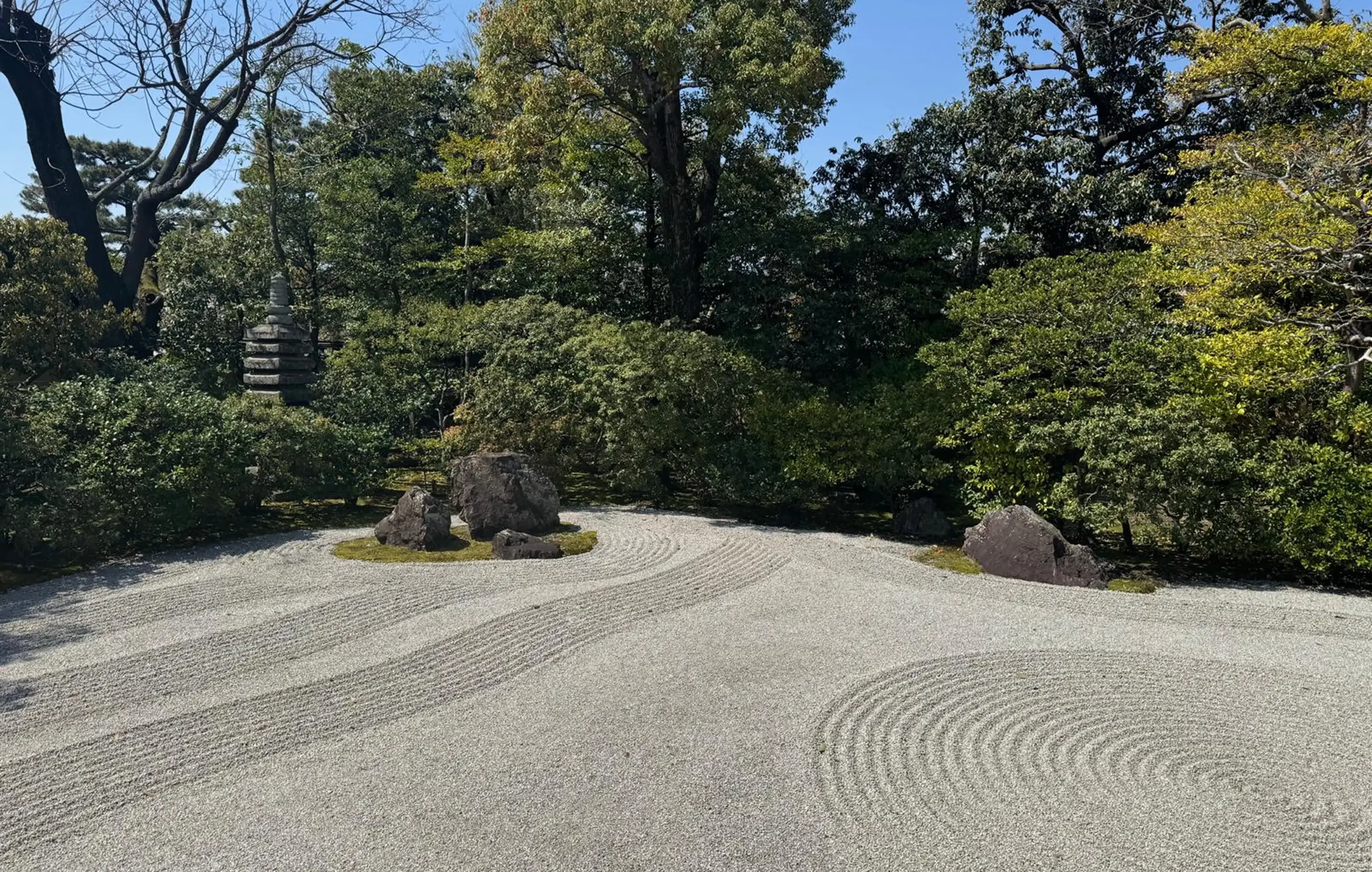
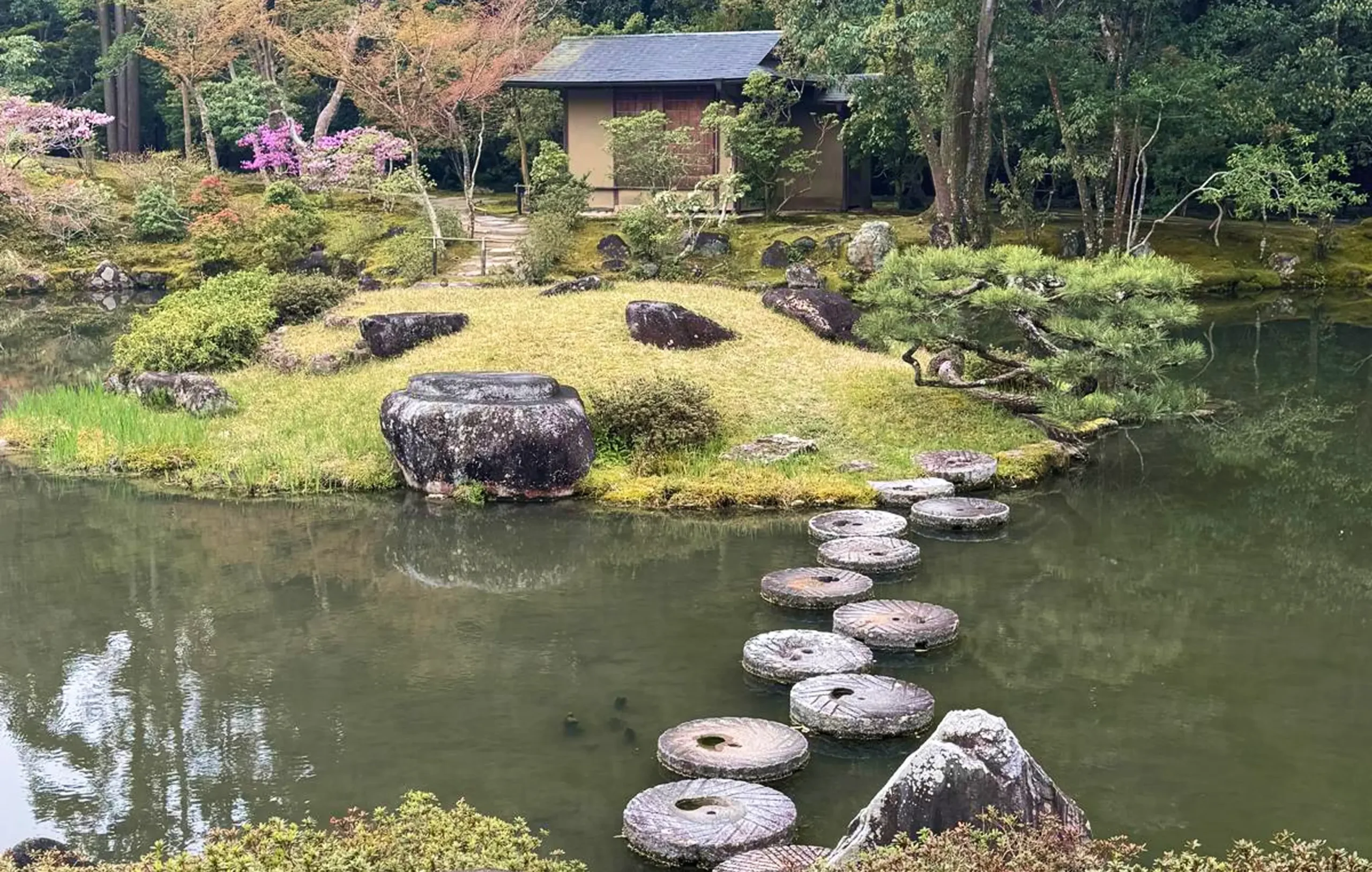
Japan does not hurry. Or rather — it has developed, over centuries, an extraordinary cultural intelligence about when to be precise and efficient, and when to be still. Watching a monk rake sand into perfect concentric circles in a Kyoto garden, I understood that this was not decoration. It was practice. The raking is the meditation — the slow, deliberate repetition that quiets the analytical mind and returns you to the present moment, one curved line at a time. There is no destination in a sand garden. There is only the rake, the sand, and your full attention.
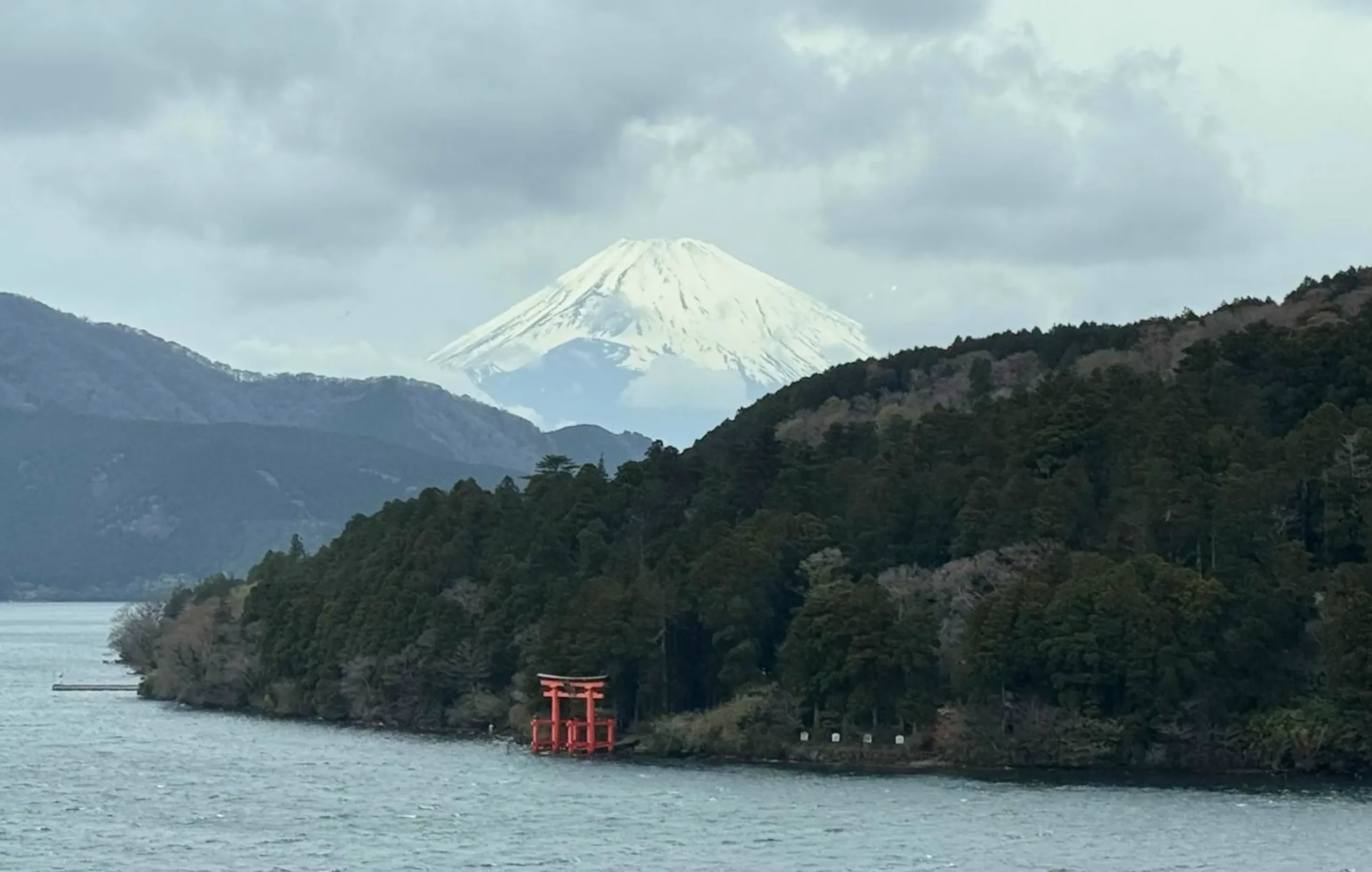
We spent time in Hakone, in the mountains south-west of Tokyo, where on a clear morning you can stand at the edge of a lake and watch Mount Fuji simply exist on the horizon — immovable, luminous, absolute. The Hakone Open-Air Museum offers one of the most extraordinary encounters with art and landscape I have experienced: sculpture set against mountain and sky, so that you are never quite sure where the art ends and the world begins. We spent hours there. We did not check our phones.
I also had the chance to engage more deeply with the Shinto relationship to the natural world — not as a theological argument, but as a lived sensibility. Shinto does not worship nature in a fervent or demanding way. It simply recognises it: the river has a spirit, the mountain has a spirit, the ancient tree has a spirit. That recognition produces a particular quality of attention — a gentleness, a patience, a willingness to stand quietly in the presence of something larger than yourself without needing to master or explain it. I found it deeply moving, and deeply relevant to the work we do.
I whisked matcha in the old way — slowly, with a bamboo whisk, attending to the temperature of the water and the texture of the foam. I learned, very badly, to use a fan, and learned even more badly how to tuck it into the folds of a kimono. I laughed at myself. I slowed down. And in slowing down, something in my nervous system — which had been running, as most of ours do, at a speed that passes for normal — quietly recalibrated.
I came home wanting to write to you about Green Therapy.
Why It Took So Long to Be Taken Seriously
It is worth acknowledging, with some honesty, that the therapeutic professions were slow to arrive here. For much of the twentieth century, the consulting room — four walls, a chair, carefully controlled light — was considered the appropriate container for psychological work. Nature was peripheral, almost decorative. The idea that sitting beside a river or walking through a wood might constitute clinical intervention seemed, to many, insufficiently rigorous.
What changed was the science. Over the past three decades, and particularly in the last ten years, researchers have produced a compelling body of evidence that can no longer be set aside. Studies from Japan, Scandinavia, the United States, and the United Kingdom have consistently shown that exposure to natural environments reduces cortisol levels, lowers blood pressure, decreases activity in the prefrontal cortex — the region associated with rumination — and activates the parasympathetic nervous system, the part of us responsible for rest and restoration.
In 2019, a large-scale study published in Scientific Reports found that spending at least two hours per week in nature was associated with significantly better health and psychological wellbeing — and that the effect held regardless of age, occupation, or physical ability. Two hours. That is less time than most of us spend on our phones each day.
What Green Therapy Actually Involves
Green Therapy is not simply going for a walk, though a walk is an entirely valid beginning. In its more structured forms, it encompasses a range of evidence-informed approaches.
Ecotherapy involves therapeutic work conducted outdoors — sometimes alongside a trained therapist, sometimes in groups, sometimes as a solo reflective practice guided by structured exercises. Walk-and-talk therapy, in which the therapeutic conversation moves through a natural space rather than a static room, has been shown to reduce the self-consciousness that can inhibit disclosure and to support a different, often more embodied quality of reflection.
Horticultural therapy — working with soil, plants, and growing things — has a particularly strong evidence base for depression, trauma recovery, and the management of chronic stress. There is something about the act of tending to something living, of putting your hands into earth, that bypasses the analytical mind and speaks directly to the nervous system.
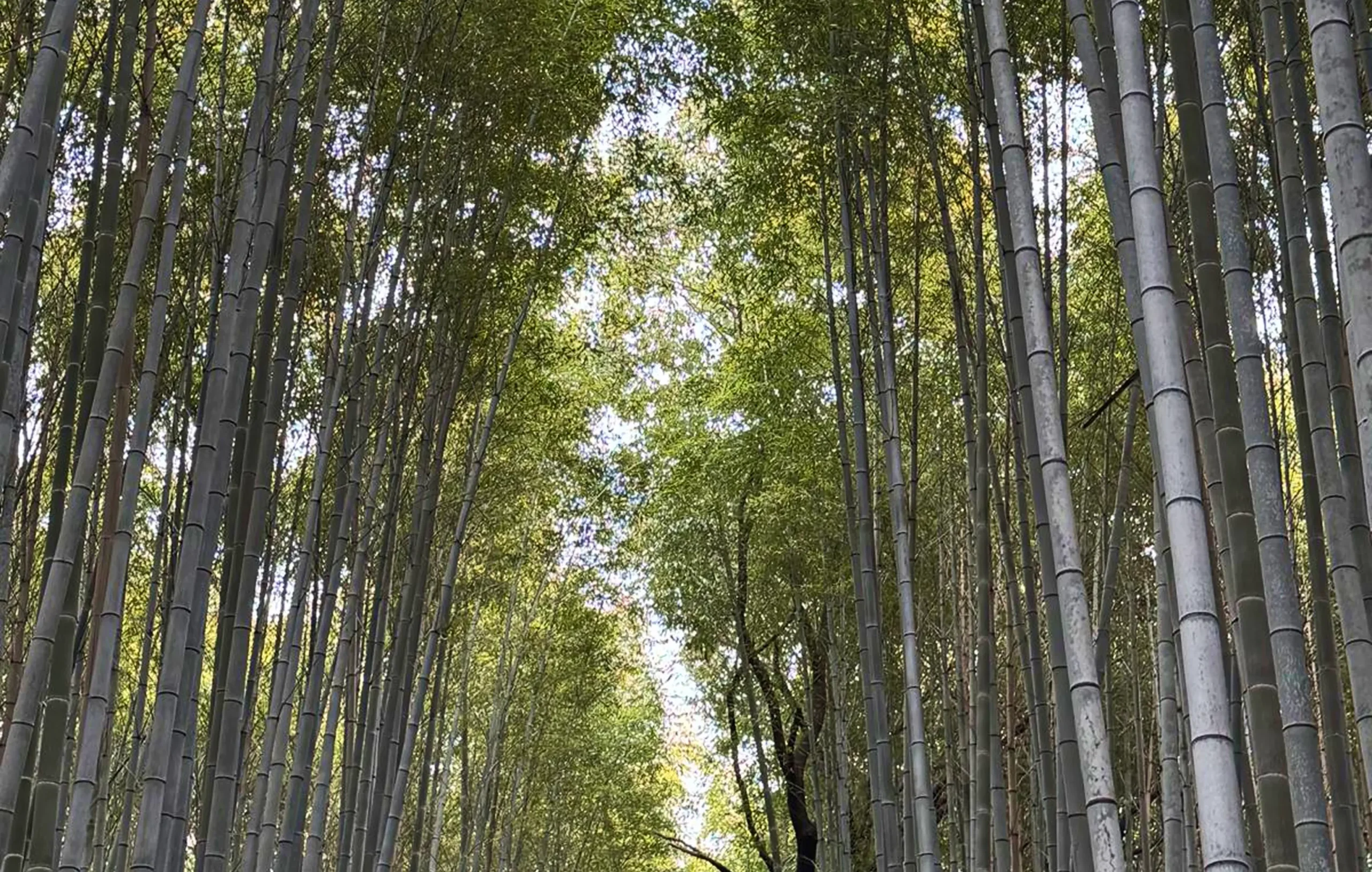
Shinrin-yoku, the Japanese practice of forest bathing, is perhaps the most extensively researched form of Green Therapy. I was reminded of its essence in Hakone — not through any formal exercise, but simply by moving slowly through a landscape that demanded nothing of me. Shinrin-yoku does not require hiking or exertion. It involves slow, deliberate, sensory immersion in a woodland or natural environment: attending to what you can see, hear, smell, and feel. Studies from the Japanese Forestry Agency and from researchers including Dr Qing Li have documented its effects on natural killer cell activity, immune function, mood, and anxiety. Japan has been refining this practice for decades. The West is catching up.
Bringing Nature In When You Cannot Go Out
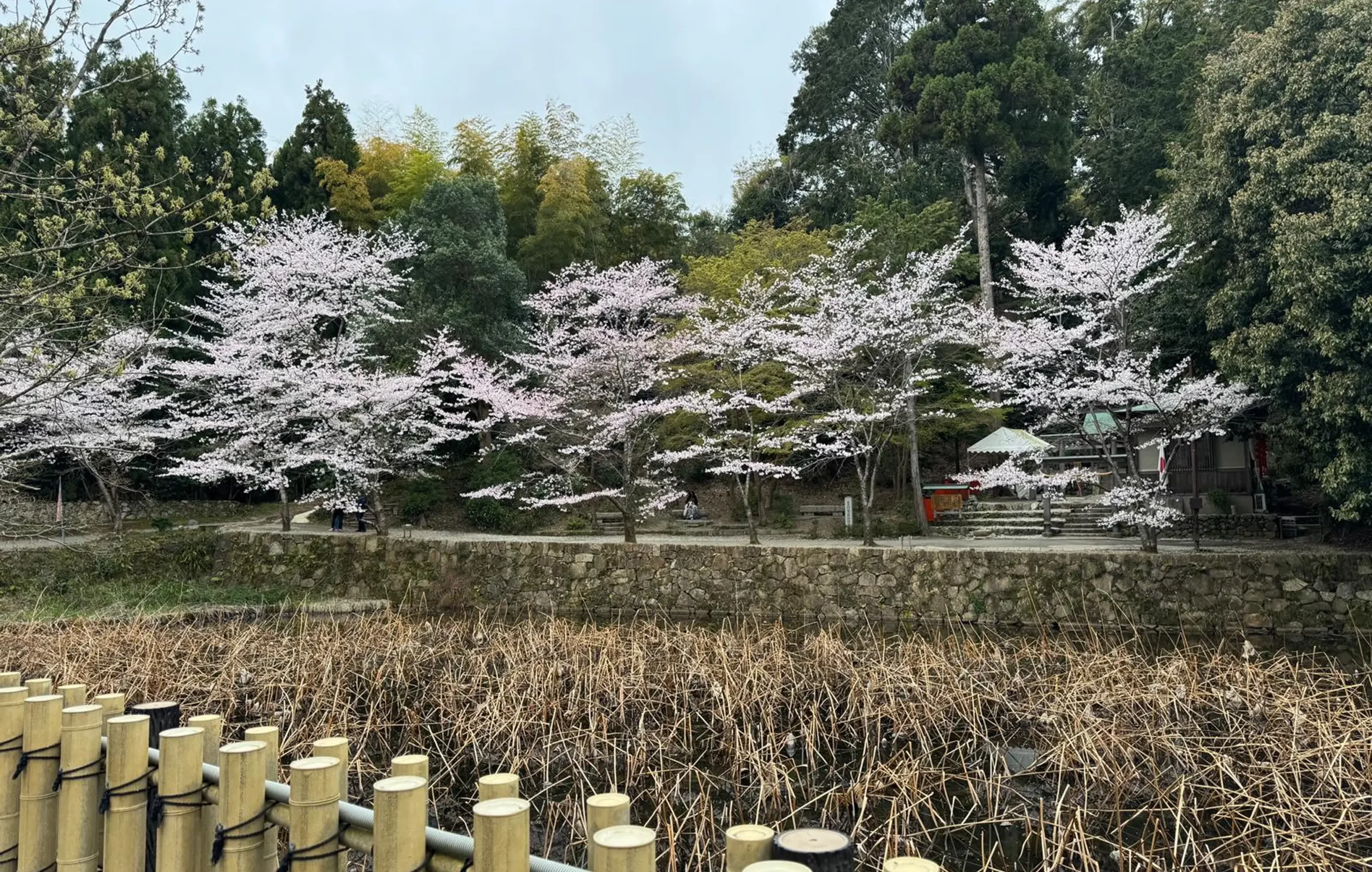
I am also mindful that not everyone has easy access to green space — and that for some, leaving the house at all may currently feel like an achievement. Research suggests that even partial exposure carries benefit: tending a houseplant, listening to birdsong, sitting near a window with natural light, or viewing images of natural landscapes produces measurable reductions in stress. The sand garden I watched being raked in Kyoto existed within the walls of a city temple. Nature, it seems, is generous — it meets us where we are, even when where we are is a small flat in London.
Recommended Reading
The Nature Fix by Florence Williams
A rigorous and beautifully written investigation into the neuroscience of nature and wellbeing, drawing on research from Japan, Finland, and South Korea.
Shinrin-Yoku: The Art and Science of Forest Bathing by Dr Qing Li
The definitive guide from the world’s leading researcher in this field, combining science with practical guidance.
Last Child in the Woods by Richard Louv
A foundational text on what Louv termed “nature-deficit disorder” and the consequences, for children and adults alike, of a life increasingly lived indoors.
Braiding Sweetgrass by Robin Wall Kimmerer
Not a therapy text, but one of the most profound meditations on our relationship with the living world I have encountered. I return to it often.
A Part of Something Larger
At London Trusted Therapy, we hold the view that psychological health cannot be neatly separated from physical health, from relational health, or from our relationship with the world beyond the consulting room. Green Therapy is not a replacement for psychotherapy, medication, or other clinical interventions — but it is a powerful complement to them, and for some people it is the entry point that makes everything else possible.
Japan taught me, again, that the pace at which we are expected to live is not the pace at which we are designed to heal. This month, I invite you simply to notice. To take ten minutes in a green space without your phone. To register what happens in your body when the noise recedes and something older and quieter takes its place.
Nature has always known how to heal us. We are only now remembering to listen.
With warmth,
Dr Olena Edwards-Skadowska
PhD MA PGDip MBACP Accredited FMBPsS
Founder and Clinical Director, London Trusted Therapy